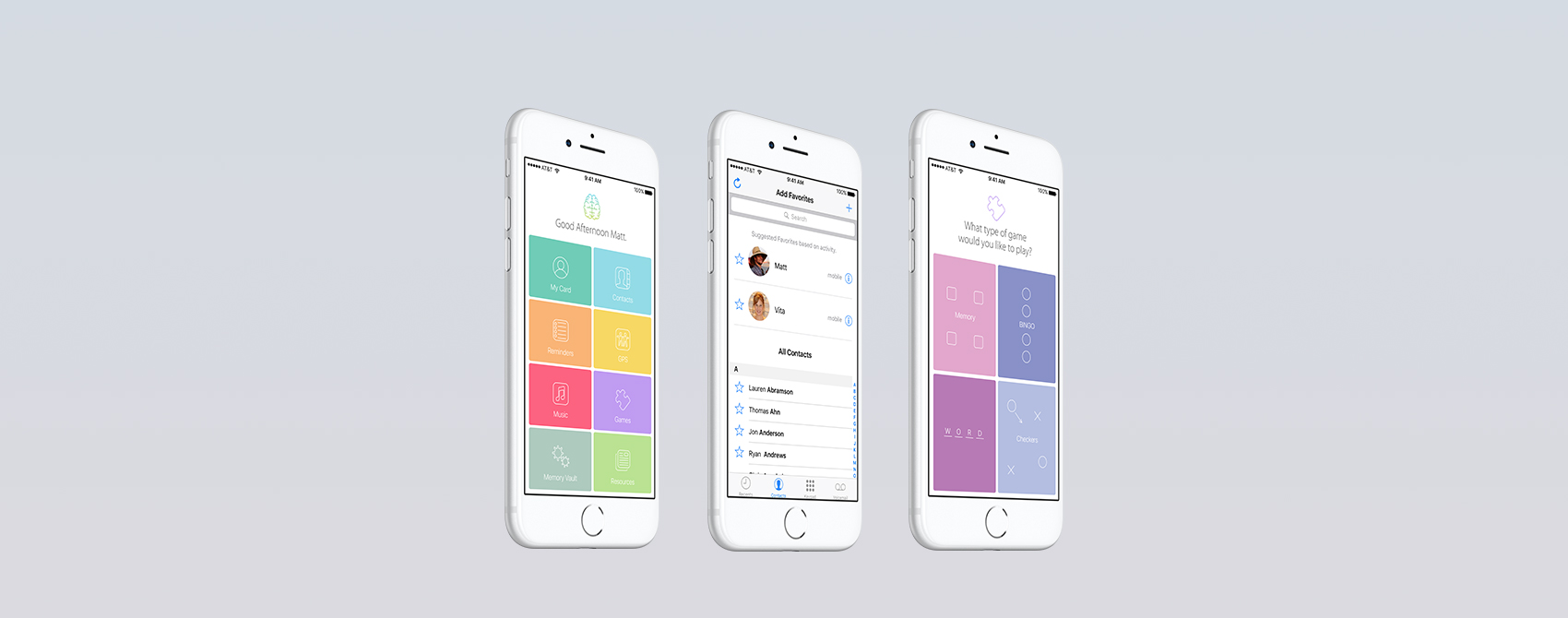
I have always been extremely interested in health. When I arrived at Apple, my first project was woking on Apple Watch. It sparked so many ideas about how to enhance the pre-existing iOS to be adaptable for user’s disabilities. One that was near to my heart was thinking oof user’s who suffer from Dementia.This proposal was to create a toolkit of applications to provide research using iOS devices for early stages of dementia to assist users, caregivers as well as medical professionals.
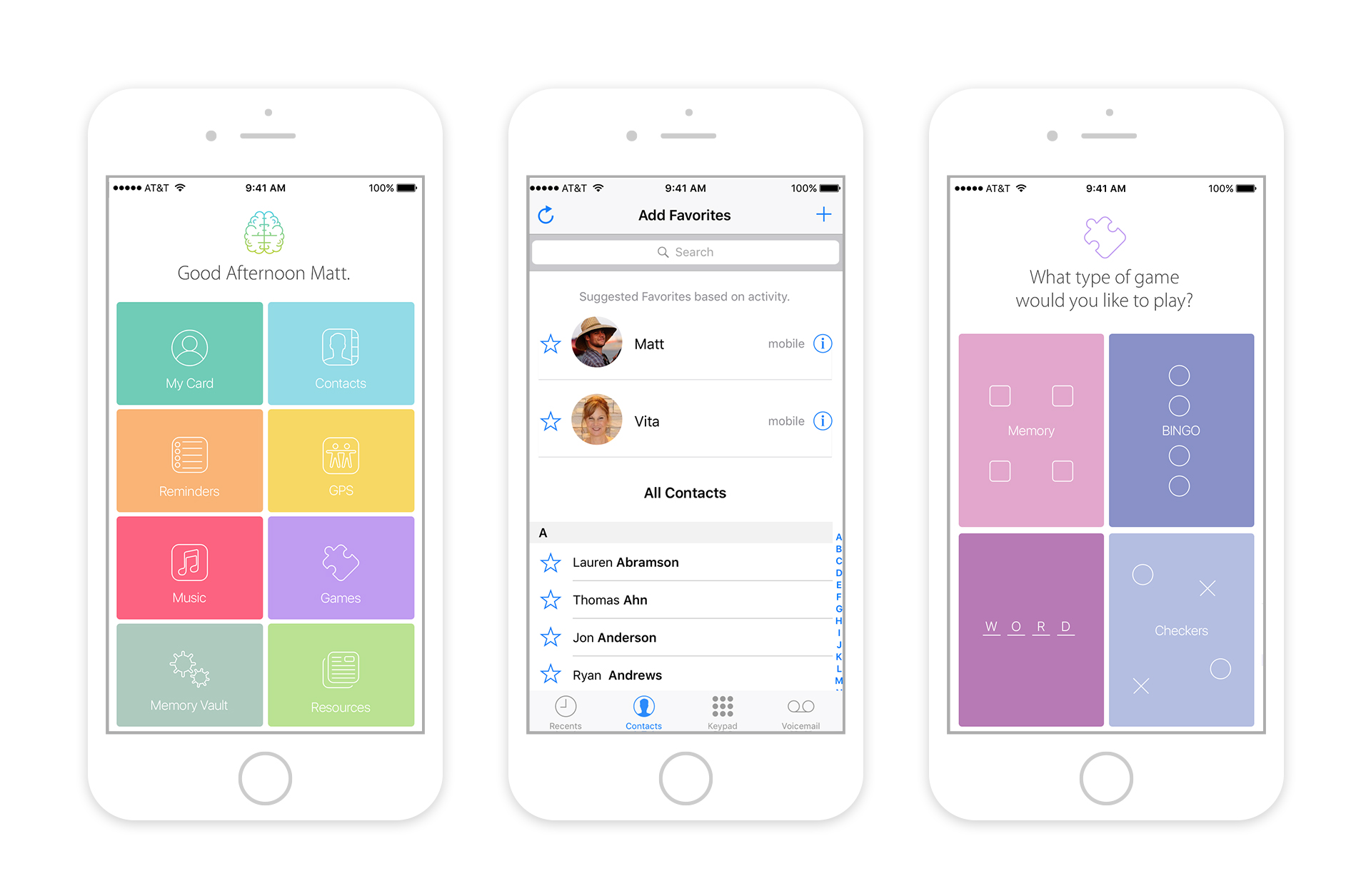
Outlined is a set of tools that are based off of pre-existing iOS applications with a modified interface to help users be self sufficient in adapting to their needs of cognitive decline. What follows is a concept application that had integrated research and training for the users. I created all concepts, designs, and research affiliated with this project. I presented these findings one of the health teams at Apple, and in turn assisted with a pre-existing study that was taking place.
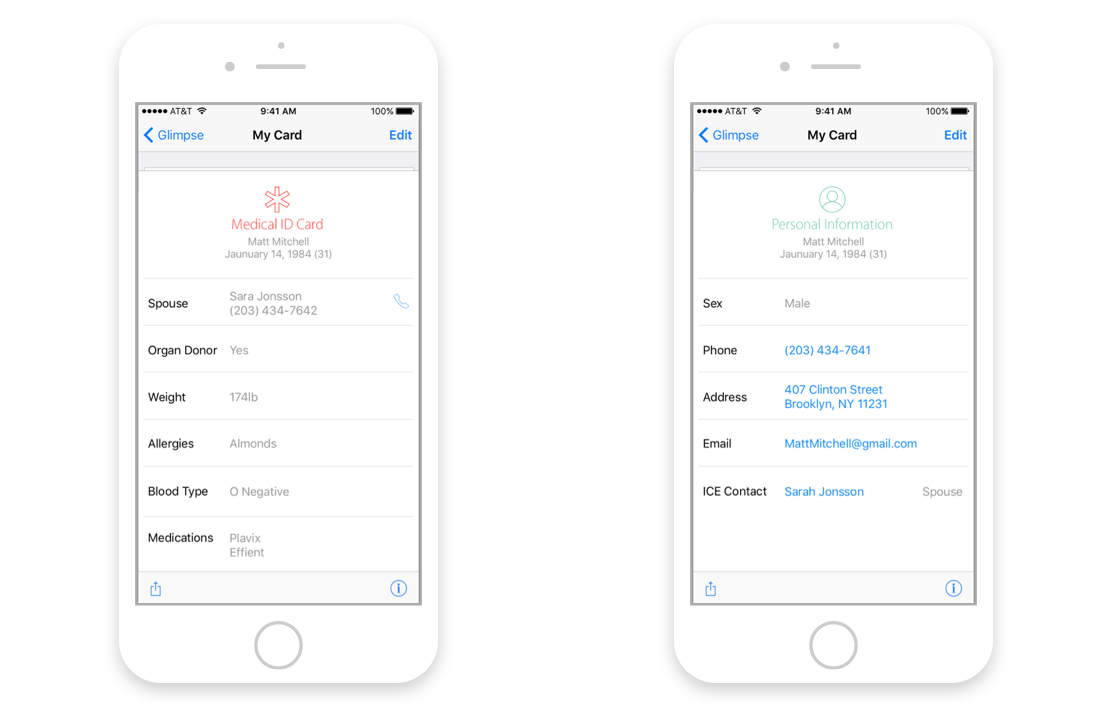
Enhancements to this application include ways for the app to direct and populate personal information in the “Me” contact card in iOS contacts.
This would allow for further the editing capabilities of my card to add personal or medical information.
This helps enhance the users medical ID and personal ID cards in one location for easy access and share-ability.
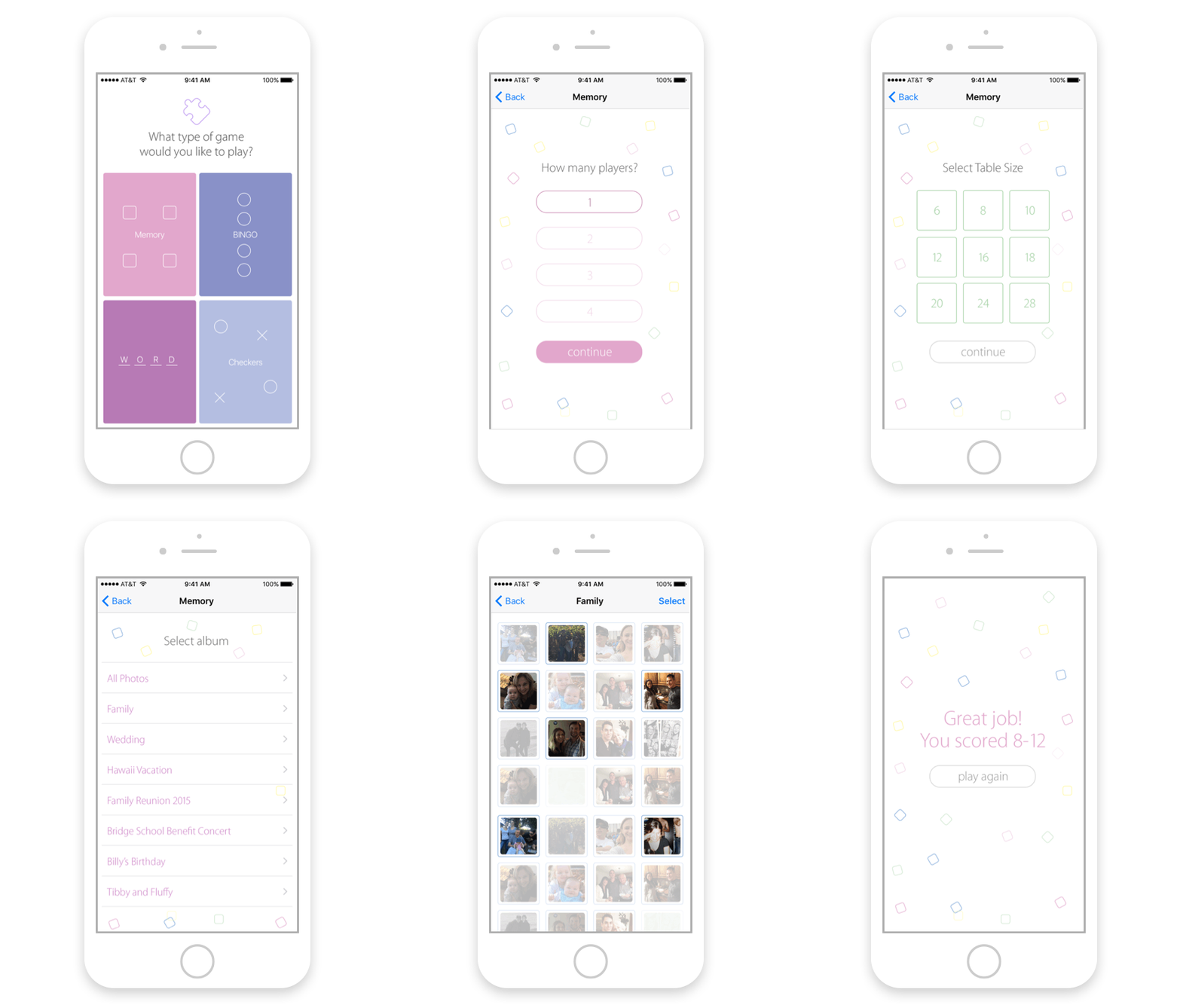
Tapping into items on the phone such as photos, memory training games could be a new application for users to keep their mind sharp. Just as training our muscles is important to staying in shape, we must do the same with our brains to insure ways to keeping the brain fit. UCLA researchers found that elderly people who played a brain-fitness computer game improved their memory and language skills.
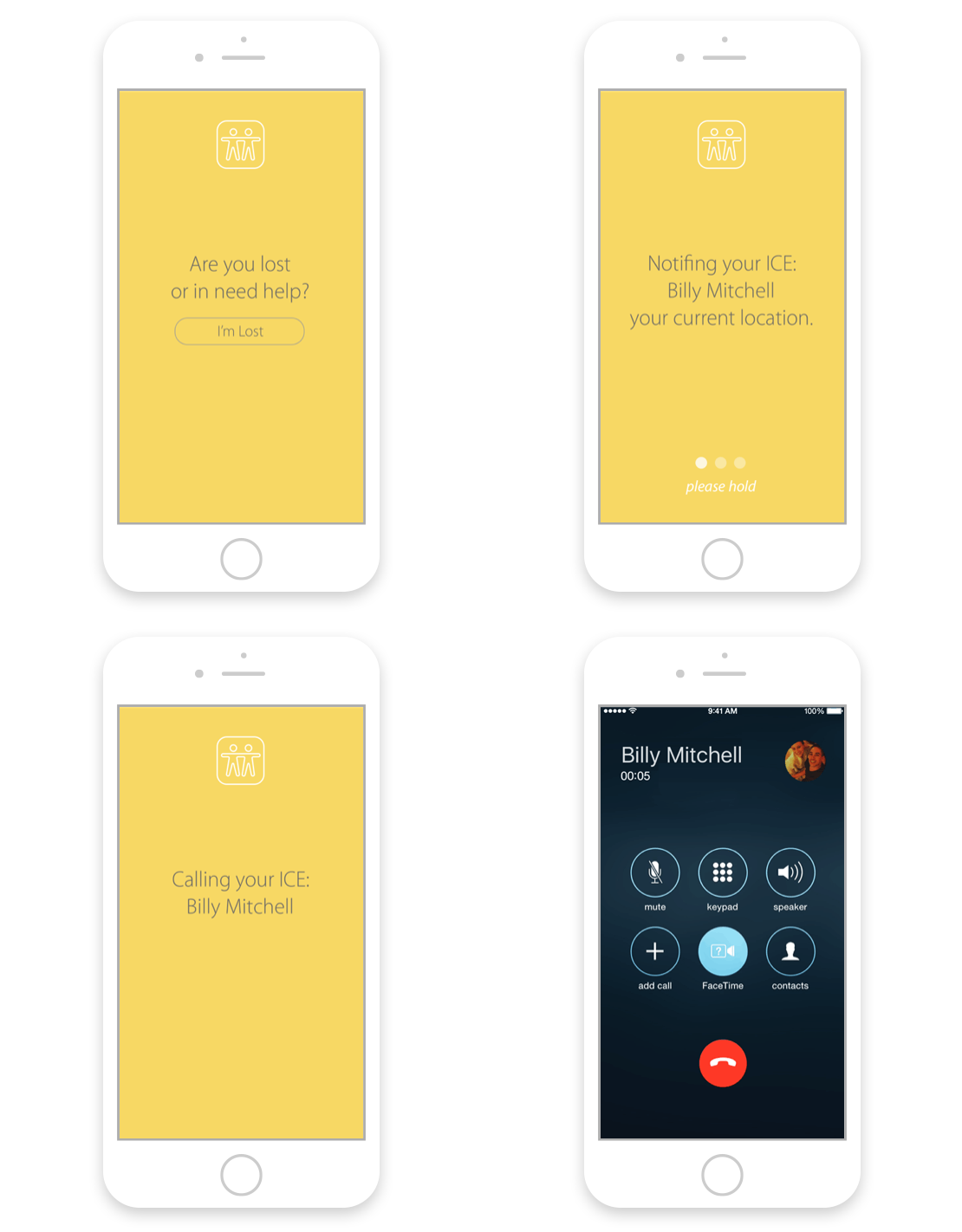
Find my Friends may help serve as a response system for users that have wander off or have suffered a medical emergency. Alerts and notifications based on range and GPS location can help caregivers safely monitor patients.
Integration with Find My Friends provides an easy to use interface for patients if they need to send an alert if they find themselves lost.
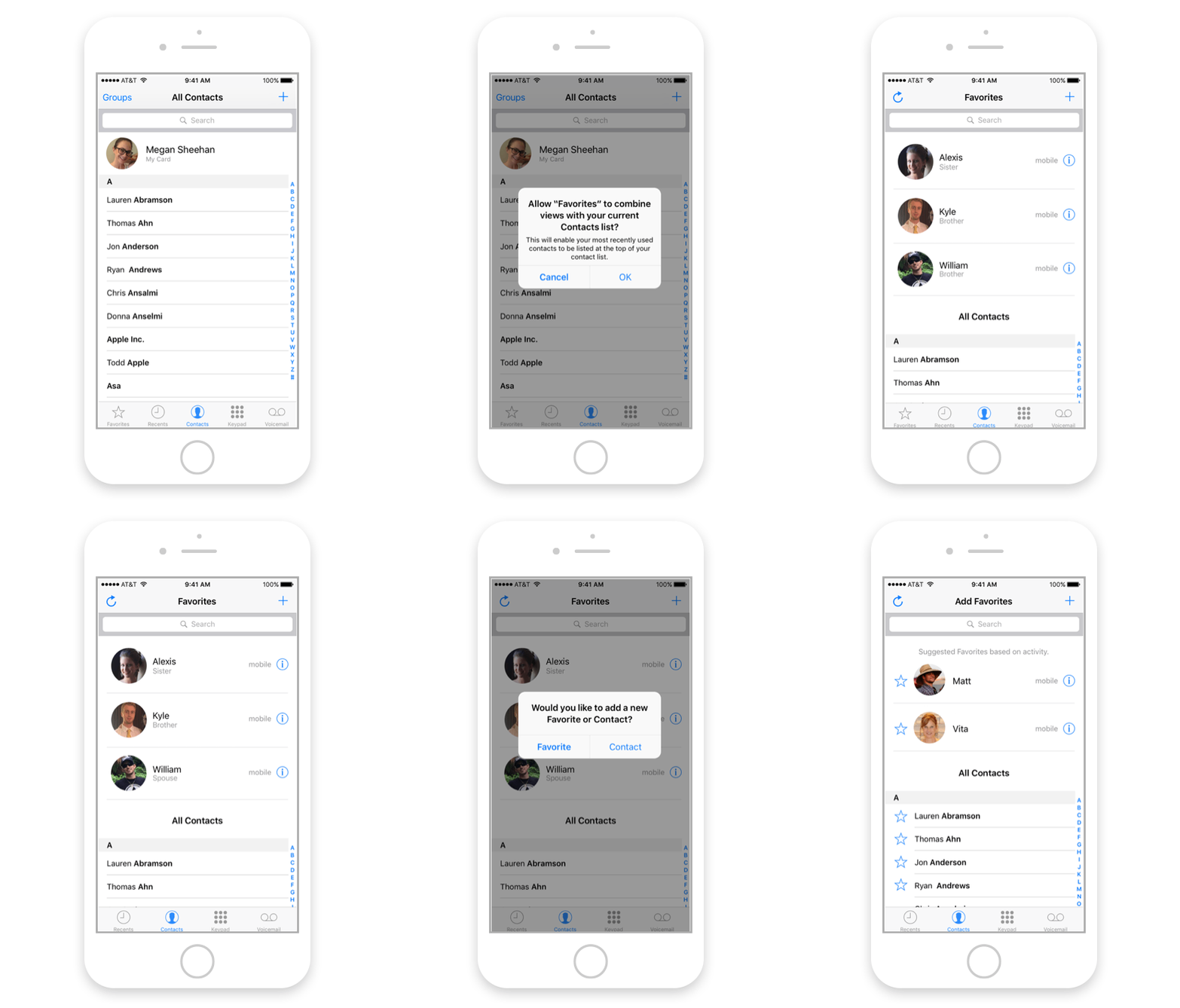
Adjusting several settings in the native contacts feature can help users communicate in a more visual way with photos and easier favoriting. Users can incorporate their favorites to the top of their contact list.
Many people with dementia have poor or declining eyesight, which is the most obvious reason for using large pictures when helping users look to make calls. This feature is now something that exists in iOS 14 with slightly modified UI.
Additional areas that were looked at were integrating with Apple Music. Studies have shown that music that is from an earlier time of life can help a patient remember memories. A journaling aspect was also created where users could input a few small lines from a day, with integration with the camera roll to upload photos. The last part of the app was a resource section for patients and caregivers.
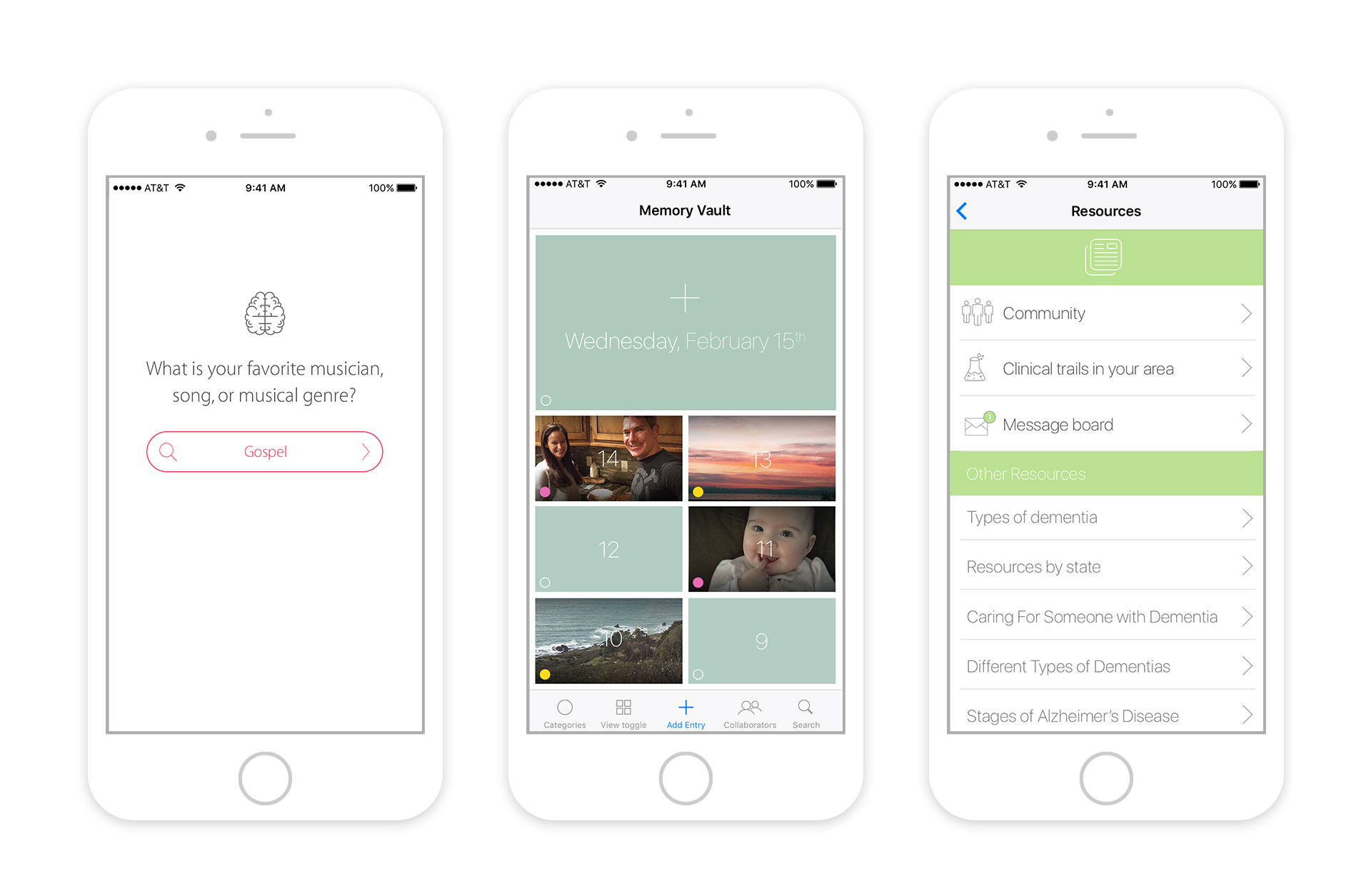
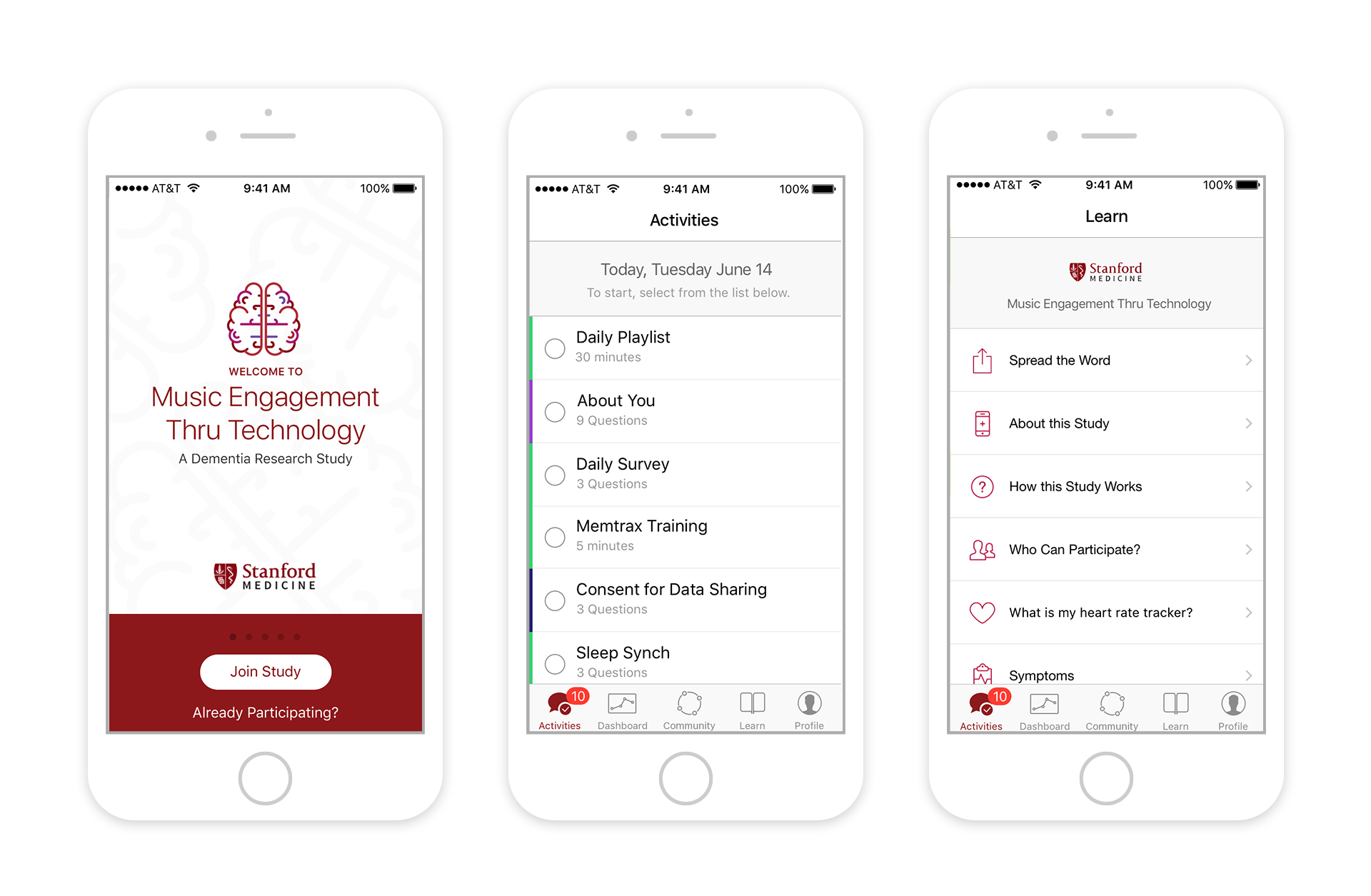
I worked with the community HealthKit Community Manager to partner with Stanford University to help them craft their study of the musical impact on patients with Dementia. At this time, I also met with the musical artist Beatie Wolfe who needed assistance shaping her program which was to work in conjunction with Stanford Research.
From here my efforts were to help map out the new study in combining the core principles of original proposed application. The result was a study based on how new music, and familiar music, can assist in memory function of patients with early stages Dementia.